
What to Expect During Dental Implant Surgery: A Step-by-Step Guide
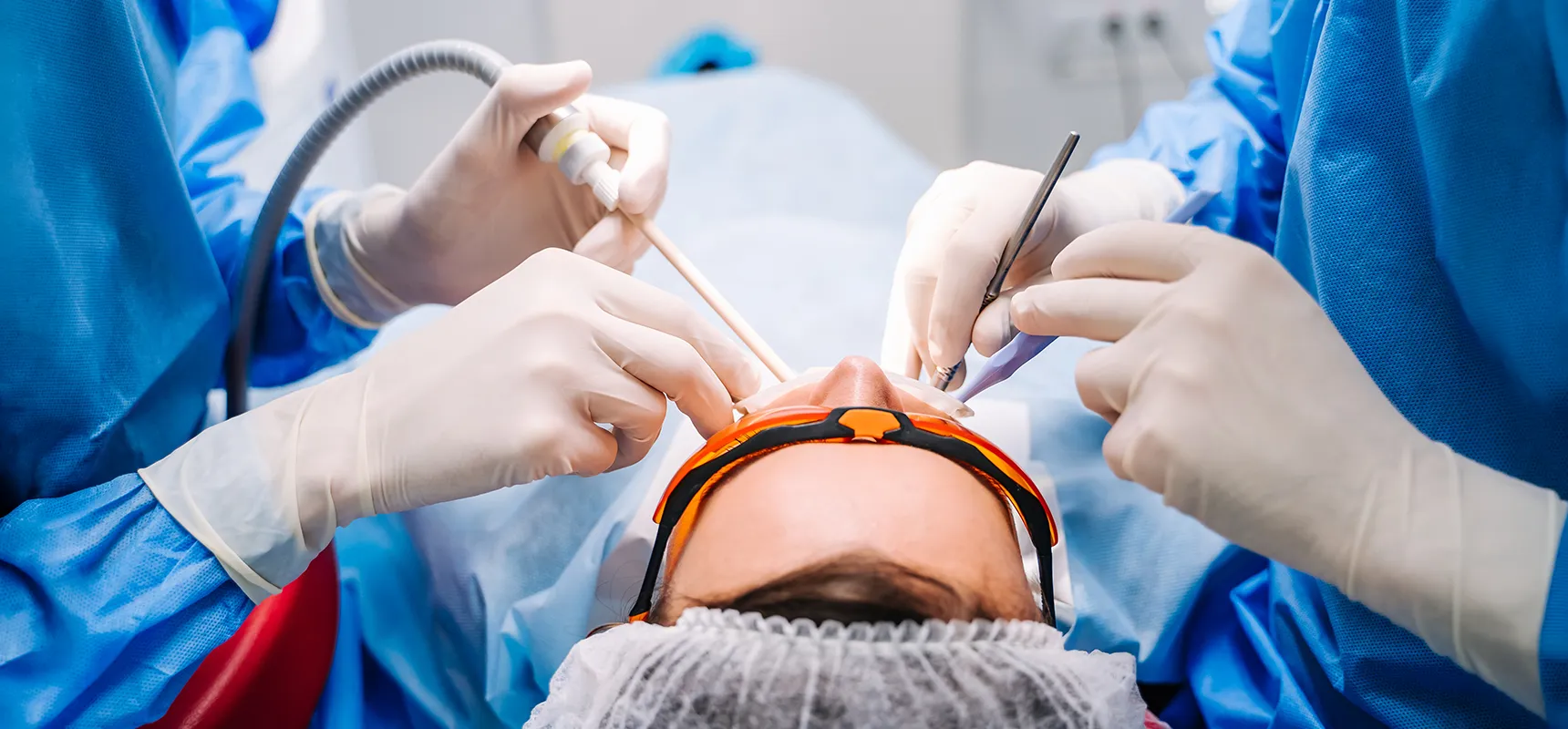 If you’re considering dental implants, one of the most common questions is: what actually happens on surgery day? It’s completely natural to feel a mix of anticipation and nervousness, especially when you’re not sure what to expect. The good news is that dental implant surgery is a well-established, carefully planned procedure — and understanding each step can make the entire experience feel far less daunting.
At GLO Dental Studio’s dental implant services in Waukesha, the team is committed to walking every patient through the process with clarity and compassion. Whether you’re replacing a single tooth or exploring full-arch options, here’s a thorough look at what the implant journey looks like from start to finish.
Before Surgery: The Consultation and Planning Phase
Dental implant surgery doesn’t begin in the operating chair — it begins with a thorough evaluation. During your consultation, the dental team will review your oral health history, assess your jawbone density, and take diagnostic imaging to map out the ideal placement for your implant.
One important factor that’s often discussed at this stage is jawbone health. If you’ve experienced bone loss due to a missing tooth or gum disease, a dental bone graft may be recommended before implant placement to ensure a stable foundation. This preparatory step, while it adds time to the overall timeline, significantly improves long-term outcomes.
You’ll also discuss sedation preferences. For patients who feel anxious about dental procedures, GLO Dental Studio offers multiple comfort options to help you feel relaxed and at ease throughout your visit.
The Day of Surgery: What Happens Step by Step
Step 1 — Anesthesia and Sedation
On surgery day, the first priority is your comfort. Local anesthesia is administered to numb the treatment area, and if you’ve opted for sedation, that will be given as well. Most patients are pleasantly surprised by how little discomfort they feel during the procedure itself.
Step 2 — Implant Post Placement
Once you’re comfortable, a small incision is made in the gum tissue to expose the jawbone. A titanium post — the implant itself — is then carefully inserted into the bone at a precise angle and depth. This post acts as an artificial tooth root, providing the stable anchor that makes implants so durable and lifelike. The gum tissue is then sutured closed around the implant site.
Step 3 — Abutment Placement (Sometimes a Separate Visit)
After the implant post has been placed, a small connector piece called an abutment is attached. Depending on your treatment plan, this may happen during the same appointment or at a follow-up visit once the implant has begun integrating with the bone.
Step 4 — Temporary Restoration
In many cases, a temporary crown or restoration is placed so you’re never without a tooth in the treated area. Your permanent crown — custom-crafted to match the shape, size, and shade of your natural teeth — will be placed once healing is complete.
The Healing Phase: Osseointegration
After surgery, the implant undergoes a process called osseointegration, during which the titanium post gradually fuses with the surrounding jawbone. This typically takes several months and is what gives dental implants their exceptional stability. During this time, you’ll attend follow-up appointments so the team can monitor your healing and ensure everything is progressing well.
Mild swelling, tenderness, and some bruising in the days following surgery are normal and manageable with over-the-counter pain relief and cold compresses. Most patients return to their regular routines within a few days. For a detailed look at caring for your smile during this period, keep an eye out for our upcoming post, How to Care for Dental Implants After Surgery in Waukesha, which covers post-operative care in depth.
When a Bone Graft or Additional Procedures Are Needed
Not every implant case follows the same timeline. Some patients require preparatory procedures — such as a bone graft or treatment for gum disease — before implant placement can proceed safely. While this extends the overall treatment period, it’s an essential step in ensuring the implant has the healthy tissue and bone structure it needs to succeed long term.
If you’re weighing your options and wondering whether implants are right for you compared to other solutions, our upcoming post Dental Implants vs Dentures: Which Is Better for You? explores that comparison in detail. You can also browse real patient smile transformations in our Smile Gallery to see the kinds of results that are possible.
What Makes Implants Worth It
Dental implants are widely considered the gold standard for tooth replacement because they function, feel, and look like natural teeth. Unlike dentures, implants don’t slip or require adhesives, and they help preserve the jawbone by mimicking the stimulation a natural tooth root provides. With proper care, they’re designed to be a long-lasting solution.
If you’ve been noticing signs that a tooth may be failing or already missing — something covered in our upcoming post Signs You Need a Dental Implant: Don’t Ignore These — scheduling a consultation sooner rather than later can make a meaningful difference in your treatment options.
Frequently Asked Questions
Is dental implant surgery painful?
Most patients report feeling little to no pain during the procedure itself, thanks to local anesthesia and available sedation options. Some soreness and swelling in the days following surgery is normal and typically manageable with over-the-counter pain relievers and cold compresses.
How long does dental implant surgery take?
The length of the procedure depends on how many implants are being placed and whether any preparatory work is needed. A single implant placement can often be completed in one to two hours, while more complex cases may take longer.
How soon can I eat normally after surgery?
You’ll want to stick to soft foods for the first several days after surgery to protect the implant site. Your dental team will give you specific guidance based on your procedure and healing progress.
What if I don’t have enough bone for an implant?
Insufficient jawbone density is common, especially when a tooth has been missing for some time. A bone graft procedure can rebuild that density, creating a stable foundation for the implant. The GLO Dental Studio team will assess your bone health during your consultation and discuss the best path forward.
How do I know if I’m a good candidate for dental implants?
Most healthy adults with missing teeth are potential candidates for dental implants. Factors such as overall oral health, bone density, and any existing conditions will be evaluated during your consultation to determine the most appropriate treatment plan for you.
Ready to take the next step toward a complete, confident smile? The team at GLO Dental Studio in Waukesha, WI is here to answer your questions and guide you through every stage of the process. Call us at 262-875-3304 or request a consultation online — we’d love to help you get started.