
Dental Implants vs Dentures: Which Is Better for You?
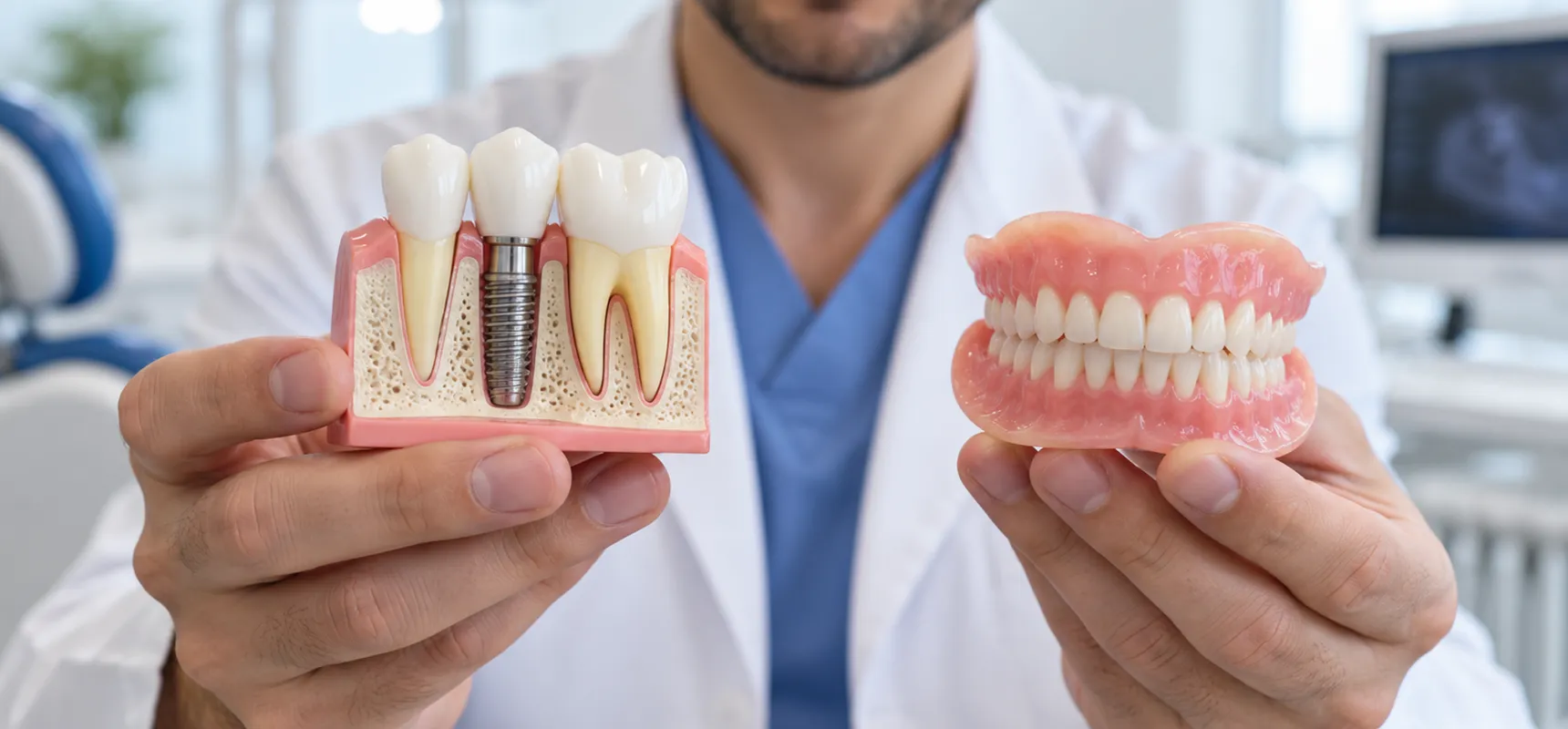 Losing one or more teeth is a deeply personal experience, and the path back to a confident, functional smile looks different for everyone. If you’ve been researching tooth replacement options, you’ve likely found yourself weighing two of the most common solutions: dental implants and dentures. Both can restore your ability to eat, speak, and smile comfortably — but they work in very different ways, and the “better” choice depends on your unique health history, lifestyle, and goals.
At GLO Dental Studio in Waukesha, WI, we believe every patient deserves a clear, honest comparison before making a decision this important. Below, we walk through the key differences between implants and dentures so you can walk into your consultation feeling informed and confident.
What Are Dental Implants?
A dental implant is a small titanium post that is surgically placed into the jawbone, where it fuses with the bone over time through a process called osseointegration. Once healed, a custom crown is attached on top, creating a replacement tooth that looks, feels, and functions much like a natural one. Implants can replace a single tooth, several teeth, or — through techniques like All-on-4 — an entire arch. You can explore the full scope of dental implant options at GLO Dental Studio to understand which approach may suit your situation best.
What Are Dentures?
Dentures are removable prosthetic appliances designed to replace missing teeth and surrounding gum tissue. Full dentures replace an entire arch of teeth, while partial dentures fill gaps when some natural teeth remain. Modern dentures are custom-fitted and crafted from high-quality materials for a more natural look and comfortable fit than older generations of patients may remember. GLO Dental Studio offers tailored denture services using the latest technology to achieve both aesthetics and functionality.
Key Differences: A Side-by-Side Look
Stability and Comfort
Dental implants are anchored directly into the jawbone, which means they don’t shift, slip, or require adhesive. Many patients describe them as indistinguishable from natural teeth during everyday activities like eating and speaking. Dentures, while significantly improved in modern design, are removable and can occasionally move during use — particularly as the jawbone changes shape over time. Well-fitted dentures from an experienced practice minimize this, but some adjustment period is normal.
Bone Health
One of the most clinically meaningful differences between the two options is their effect on the jawbone. When a tooth root is lost, the bone beneath it no longer receives the stimulation it needs and can gradually diminish — a process called bone resorption. Dental implants replicate the function of a tooth root and help preserve jawbone density over time. Dentures rest on top of the gum tissue and do not provide this same stimulation. In some cases, patients considering implants may first need a dental bone graft to rebuild sufficient bone volume for implant placement.
Longevity and Maintenance
With proper care, dental implants are designed to be a long-term solution. They are cleaned just like natural teeth — brushing, flossing, and routine dental visits. Dentures, on the other hand, require daily removal and cleaning, and they typically need to be relined or replaced every several years as the shape of the jaw and gums changes. The upfront investment for implants is generally higher, but many patients find the long-term value compelling when factoring in the reduced need for replacements and adjustments.
Candidacy and Timeline
Not everyone is an immediate candidate for dental implants. Sufficient jawbone density, healthy gums, and good overall health are important factors. The implant process also involves a healing period between the surgical placement and the final crown, which can span several months. Dentures, by contrast, can often be delivered more quickly and do not require surgery, making them an accessible option for patients who need a faster solution or who may not be candidates for implant surgery.
If you’re wondering whether you might already be experiencing signs that point toward implants, the sibling post Signs You Need a Dental Implant: Don’t Ignore These covers common indicators worth knowing. And if you’re leaning toward implants, What to Expect During Dental Implant Surgery and How to Care for Dental Implants After Surgery in Waukesha offer helpful preparation and aftercare guidance.
Which Option Is Right for You?
There is no single answer that fits every patient. Dental implants tend to be a strong fit for patients who want a permanent, low-maintenance solution and have the bone structure to support them. Dentures may be the better starting point for patients who need a quicker timeline, have experienced significant bone loss, or are working within a tighter budget. In some cases, implant-supported dentures — which combine the stability of implants with the coverage of a denture — offer a compelling middle ground.
The most important step is a thorough evaluation. At GLO Dental Studio, we use advanced imaging technology, including CBCT scans, to get a precise, three-dimensional picture of your jaw structure — information that is essential for planning implant placement accurately and safely. Our team reviews your full oral health picture before making any recommendation, so you can trust that any plan we discuss is genuinely tailored to you.
If cost and coverage are part of your decision, our financial options page outlines the ways GLO Dental Studio works to make care accessible, including our in-house dental membership plan.
Frequently Asked Questions
Are dental implants painful?
Most patients report that the implant procedure itself is more comfortable than they anticipated. Local anesthesia is used during placement, and sedation options are available for patients who prefer additional relaxation. Some soreness during the healing period is normal and typically manageable with over-the-counter care.
How long do dentures last?
Traditional dentures generally last between five and ten years before they need to be replaced or significantly relined. As the jawbone changes shape over time, the fit of a denture can shift, which is why regular follow-up visits are important even after your dentures are placed.
Can I get implants if I’ve worn dentures for years?
Possibly, yes — though long-term denture wear is often associated with bone loss, which may require a bone graft procedure before implants can be placed. A thorough evaluation with imaging will determine whether you have sufficient bone volume or whether preparatory treatment is needed first.
Is one option significantly more expensive than the other?
Dentures typically have a lower upfront cost than dental implants. However, when accounting for the ongoing costs of denture adhesives, relining, and eventual replacement, the long-term financial picture can be more comparable than it first appears. Our team is happy to walk through cost considerations during a consultation.
What if I’m not sure which option is right for me?
That’s exactly what a consultation is for. Our team will review your dental and medical history, take any necessary imaging, and have an open conversation about your goals, concerns, and budget before recommending anything. There’s no pressure — just information to help you decide with confidence.
Ready to take the next step? The team at GLO Dental Studio in Waukesha, WI is here to help you explore your tooth replacement options in a comfortable, judgment-free environment. Call us at 262-875-3304 or visit our contact page to schedule your consultation today.
What to Expect During Dental Implant Surgery: A Step-by-Step Guide
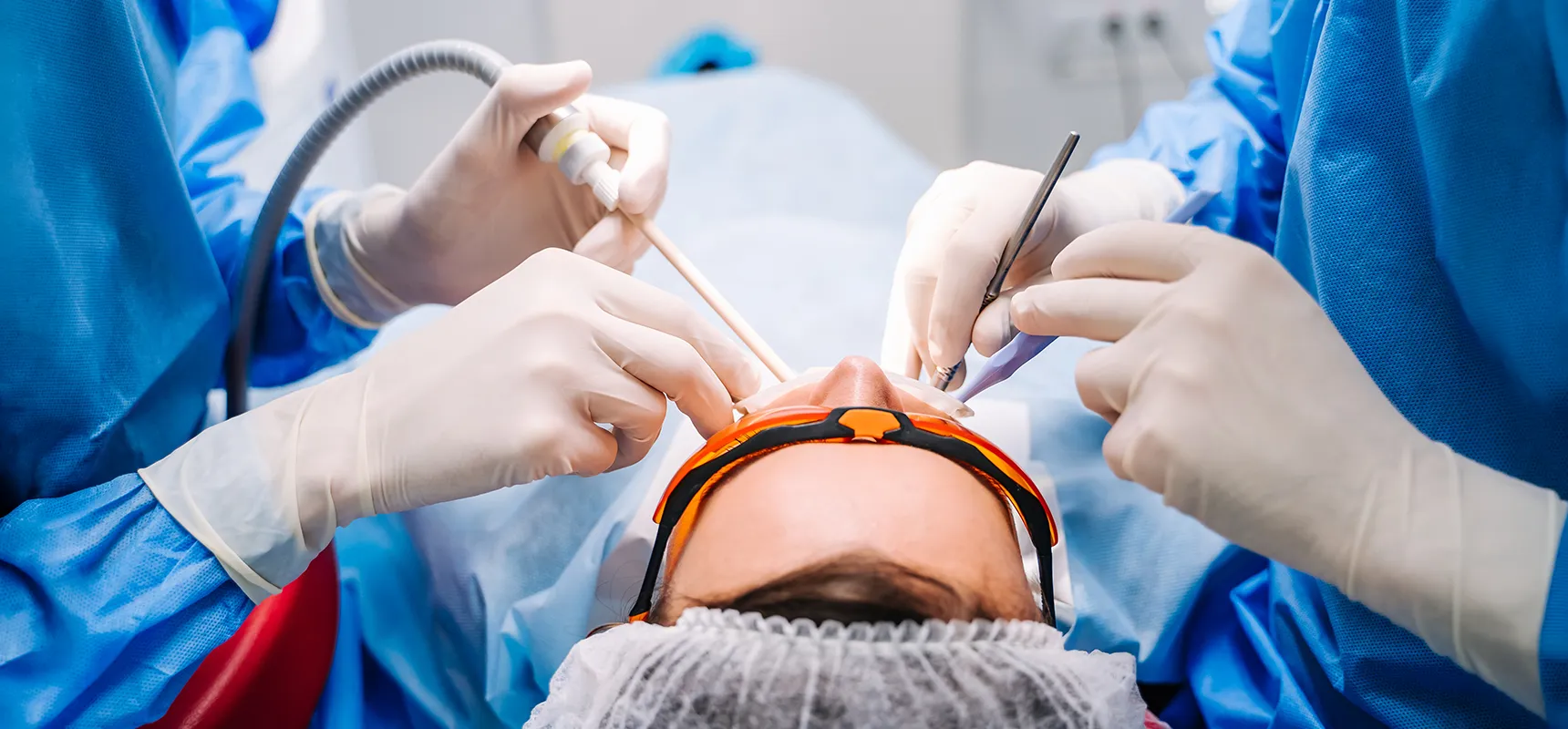 If you’re considering dental implants, one of the most common questions is: what actually happens on surgery day? It’s completely natural to feel a mix of anticipation and nervousness, especially when you’re not sure what to expect. The good news is that dental implant surgery is a well-established, carefully planned procedure — and understanding each step can make the entire experience feel far less daunting.
At GLO Dental Studio’s dental implant services in Waukesha, the team is committed to walking every patient through the process with clarity and compassion. Whether you’re replacing a single tooth or exploring full-arch options, here’s a thorough look at what the implant journey looks like from start to finish.
Before Surgery: The Consultation and Planning Phase
Dental implant surgery doesn’t begin in the operating chair — it begins with a thorough evaluation. During your consultation, the dental team will review your oral health history, assess your jawbone density, and take diagnostic imaging to map out the ideal placement for your implant.
One important factor that’s often discussed at this stage is jawbone health. If you’ve experienced bone loss due to a missing tooth or gum disease, a dental bone graft may be recommended before implant placement to ensure a stable foundation. This preparatory step, while it adds time to the overall timeline, significantly improves long-term outcomes.
You’ll also discuss sedation preferences. For patients who feel anxious about dental procedures, GLO Dental Studio offers multiple comfort options to help you feel relaxed and at ease throughout your visit.
The Day of Surgery: What Happens Step by Step
Step 1 — Anesthesia and Sedation
On surgery day, the first priority is your comfort. Local anesthesia is administered to numb the treatment area, and if you’ve opted for sedation, that will be given as well. Most patients are pleasantly surprised by how little discomfort they feel during the procedure itself.
Step 2 — Implant Post Placement
Once you’re comfortable, a small incision is made in the gum tissue to expose the jawbone. A titanium post — the implant itself — is then carefully inserted into the bone at a precise angle and depth. This post acts as an artificial tooth root, providing the stable anchor that makes implants so durable and lifelike. The gum tissue is then sutured closed around the implant site.
Step 3 — Abutment Placement (Sometimes a Separate Visit)
After the implant post has been placed, a small connector piece called an abutment is attached. Depending on your treatment plan, this may happen during the same appointment or at a follow-up visit once the implant has begun integrating with the bone.
Step 4 — Temporary Restoration
In many cases, a temporary crown or restoration is placed so you’re never without a tooth in the treated area. Your permanent crown — custom-crafted to match the shape, size, and shade of your natural teeth — will be placed once healing is complete.
The Healing Phase: Osseointegration
After surgery, the implant undergoes a process called osseointegration, during which the titanium post gradually fuses with the surrounding jawbone. This typically takes several months and is what gives dental implants their exceptional stability. During this time, you’ll attend follow-up appointments so the team can monitor your healing and ensure everything is progressing well.
Mild swelling, tenderness, and some bruising in the days following surgery are normal and manageable with over-the-counter pain relief and cold compresses. Most patients return to their regular routines within a few days. For a detailed look at caring for your smile during this period, keep an eye out for our upcoming post, How to Care for Dental Implants After Surgery in Waukesha, which covers post-operative care in depth.
When a Bone Graft or Additional Procedures Are Needed
Not every implant case follows the same timeline. Some patients require preparatory procedures — such as a bone graft or treatment for gum disease — before implant placement can proceed safely. While this extends the overall treatment period, it’s an essential step in ensuring the implant has the healthy tissue and bone structure it needs to succeed long term.
If you’re weighing your options and wondering whether implants are right for you compared to other solutions, our upcoming post Dental Implants vs Dentures: Which Is Better for You? explores that comparison in detail. You can also browse real patient smile transformations in our Smile Gallery to see the kinds of results that are possible.
What Makes Implants Worth It
Dental implants are widely considered the gold standard for tooth replacement because they function, feel, and look like natural teeth. Unlike dentures, implants don’t slip or require adhesives, and they help preserve the jawbone by mimicking the stimulation a natural tooth root provides. With proper care, they’re designed to be a long-lasting solution.
If you’ve been noticing signs that a tooth may be failing or already missing — something covered in our upcoming post Signs You Need a Dental Implant: Don’t Ignore These — scheduling a consultation sooner rather than later can make a meaningful difference in your treatment options.
Frequently Asked Questions
Is dental implant surgery painful?
Most patients report feeling little to no pain during the procedure itself, thanks to local anesthesia and available sedation options. Some soreness and swelling in the days following surgery is normal and typically manageable with over-the-counter pain relievers and cold compresses.
How long does dental implant surgery take?
The length of the procedure depends on how many implants are being placed and whether any preparatory work is needed. A single implant placement can often be completed in one to two hours, while more complex cases may take longer.
How soon can I eat normally after surgery?
You’ll want to stick to soft foods for the first several days after surgery to protect the implant site. Your dental team will give you specific guidance based on your procedure and healing progress.
What if I don’t have enough bone for an implant?
Insufficient jawbone density is common, especially when a tooth has been missing for some time. A bone graft procedure can rebuild that density, creating a stable foundation for the implant. The GLO Dental Studio team will assess your bone health during your consultation and discuss the best path forward.
How do I know if I’m a good candidate for dental implants?
Most healthy adults with missing teeth are potential candidates for dental implants. Factors such as overall oral health, bone density, and any existing conditions will be evaluated during your consultation to determine the most appropriate treatment plan for you.
Ready to take the next step toward a complete, confident smile? The team at GLO Dental Studio in Waukesha, WI is here to answer your questions and guide you through every stage of the process. Call us at 262-875-3304 or request a consultation online — we’d love to help you get started.
Signs You Need a Dental Implant: Don’t Ignore These

Losing a tooth — or living with one that’s beyond saving — can affect far more than your smile. It can change the way you eat, speak, and feel about yourself. If you’ve been wondering whether a dental implant might be right for you, your body may already be sending signals worth paying attention to. Understanding the key signs you need a dental implant is the first step toward reclaiming a healthy, confident smile.
At GLO Dental Studio in Waukesha, WI, we believe no one should settle for a compromised smile when lasting solutions exist. Below, we walk through the most common signs that implants deserve a serious conversation with your dentist.
You Have One or More Missing Teeth
The most obvious sign is straightforward: a gap in your smile. Whether a tooth was lost to injury, decay, or extraction, that empty space isn’t just a cosmetic concern. Over time, neighboring teeth can drift toward the gap, your bite can shift, and the jawbone beneath the missing tooth can begin to deteriorate — a process called bone resorption. Dental implants at GLO Dental Studio address all of these concerns by replacing both the visible tooth and the root beneath it, preserving the integrity of your jaw and surrounding teeth.
You Have a Severely Damaged or Cracked Tooth
Not every damaged tooth can be saved with a filling or crown. When decay runs deep or a crack extends below the gumline, extraction often becomes necessary. If you’ve been told a tooth cannot be restored, an implant is typically the closest thing to a natural replacement available. It looks, feels, and functions like the real thing — without compromising the healthy teeth on either side, as a traditional bridge would require.
You’re Experiencing Bone Loss in Your Jaw
Jawbone loss is a silent consequence of missing teeth that many patients don’t realize is happening until it becomes significant. Without a tooth root stimulating the bone, the body gradually reabsorbs that tissue. You might notice a sunken or aged appearance around the jaw, or your dentist may flag bone loss on an X-ray. In some cases, a dental bone graft may be needed before implant placement to rebuild adequate bone volume — a step our team can evaluate and discuss with you during a consultation.
Your Dentures or Bridge No Longer Fit Well
Removable dentures and traditional bridges serve many patients well, but they aren’t permanent solutions for everyone. If your dentures slip during meals or conversation, cause sore spots, or require frequent adjustments, your quality of life is being affected. Implants provide a fixed, stable foundation that eliminates these frustrations entirely. Wondering how the two options compare? Our upcoming post, Dental Implants vs Dentures: Which Is Better for You?, takes a deeper look at that decision.
You Have Chronic Tooth Pain or Infection
Persistent toothache, recurring abscesses, or an infection that keeps returning despite treatment are serious warning signs. When a tooth is no longer viable, continuing to treat it can delay the inevitable while putting your surrounding oral health at risk. Extraction followed by implant placement is often the more effective long-term path. If you’re dealing with a dental emergency, our emergency dentistry services are available to assess urgent situations promptly.
You’re Self-Conscious About Your Smile
The emotional and social impact of tooth loss is real. If you find yourself covering your mouth when you laugh, avoiding certain foods, or pulling back in social situations because of a missing or failing tooth, that’s a quality-of-life issue — and it’s one that implants are uniquely positioned to solve. Take a look at our smile gallery to see the kind of results patients have achieved with restorative care.
You’re a Good Candidate for Implants
Most healthy adults are candidates for dental implants, but the process does involve a surgical component and a healing period. Adequate jawbone density, healthy gums, and good overall health are key factors. Our team uses advanced imaging — including CBCT scans — to evaluate your bone structure and plan treatment precisely. If you’re curious about what the procedure involves, our upcoming post What to Expect During Dental Implant Surgery covers the process step by step. And once your implants are placed, How to Care for Dental Implants After Surgery in Waukesha will give you a practical guide to protecting your investment.
Gum disease can also complicate implant candidacy, so if you’ve been dealing with bleeding gums or periodontal concerns, it’s worth exploring gum disease treatment as part of your overall care plan before or alongside implant planning.
Frequently Asked Questions
How do I know if I need an implant or just a crown?
A crown is typically used when the natural tooth root is still intact and healthy enough to support a restoration. If the tooth has been extracted or is too damaged to save, an implant — which replaces the root as well as the visible tooth — is usually the more appropriate solution. Your dentist will evaluate the tooth structure and bone health to make that determination.
Can I get a dental implant years after losing a tooth?
Yes, in many cases. However, the longer a tooth has been missing, the more likely it is that some bone loss has occurred. A bone graft may be recommended to rebuild the area before implant placement. The best way to know your options is to schedule a consultation so the team can assess your current bone density and jaw health.
Are dental implants painful?
The implant procedure is performed with local anesthesia, and sedation options are available for patients who prefer a more relaxed experience. Most patients report that discomfort after surgery is manageable and temporary. The GLO Dental Studio team takes care to make the process as comfortable as possible from start to finish.
How long do dental implants last?
With proper care, dental implants are designed to be a long-term solution. They are made from biocompatible titanium that integrates with the jawbone, making them exceptionally stable. Maintaining good oral hygiene and attending regular dental visits are the most important factors in preserving your implant over time.
Does insurance cover dental implants?
Coverage varies by plan. Some dental insurance policies cover portions of the implant process, while others do not. GLO Dental Studio offers financial options to help make treatment accessible — you can explore details on our financial information page or call our office to discuss your specific situation.
Ready to Explore Your Options in Waukesha?
If any of the signs above sound familiar, don’t wait to get answers. The team at GLO Dental Studio is here to listen, evaluate your unique situation, and help you understand whether dental implants are the right path forward. Contact us at 262-875-3304 or visit us at N4W22370 Bluemound Road #103, Waukesha, WI 53186 to schedule your consultation. Your smile is worth it.